17 Aug 2026
Denmark Advances Land-Based Casino Licensing with New Application Window
 The Danish Gambling Authority has initiated a fresh licensing round for land-based casinos under Consolidated Act No. 1182 of September 22, 2025, on Gambling. Applications opened recently and carry a firm deadline of November 3, 2026, allowing both existing operators seeking renewals and new entrants to secure permits for periods of up to ten years. Authority director Anders Dorph oversees the evaluation, which weighs financial strength, operational experience, ownership structures, proposed site locations, and the mix of table games alongside gaming machines. Consultations with local municipalities, police departments, and additional regulatory bodies form an integral part of the review.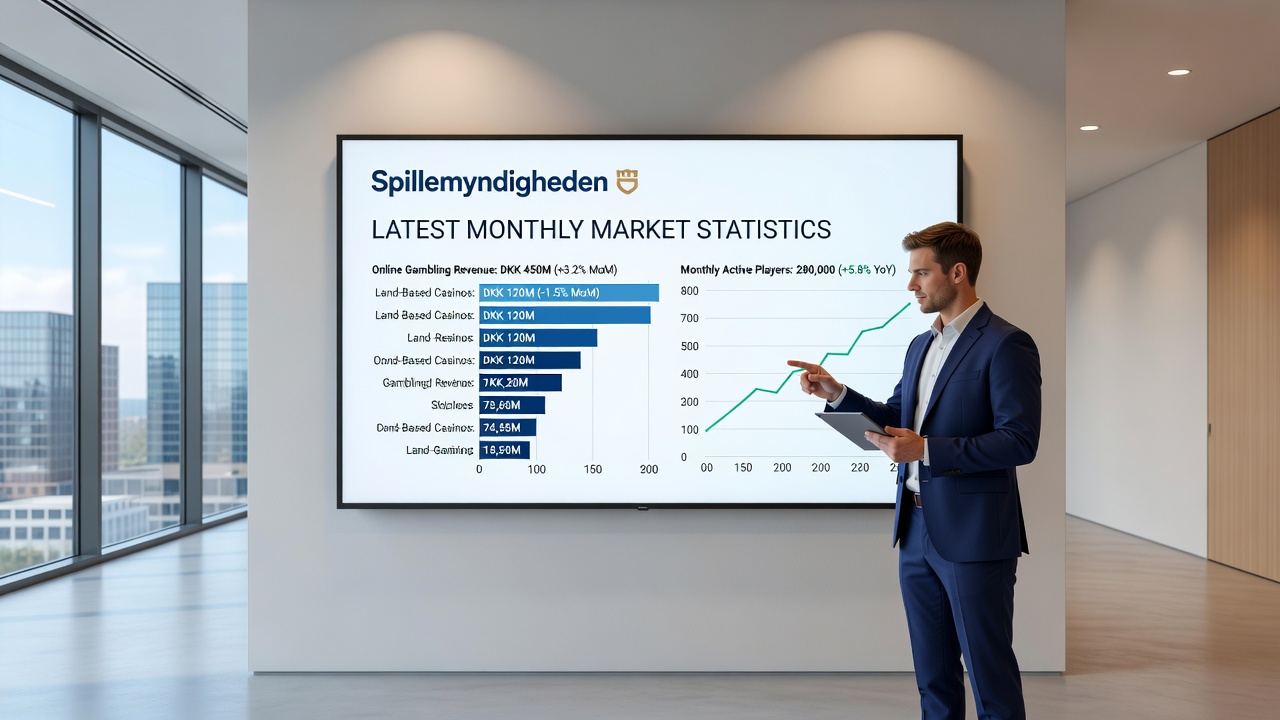
The Danish Gambling Authority has initiated a fresh licensing round for land-based casinos under Consolidated Act No. 1182 of September 22, 2025, on Gambling. Applications opened recently and carry a firm deadline of November 3, 2026, allowing both existing operators seeking renewals and new entrants to secure permits for periods of up to ten years. Authority director Anders Dorph oversees the evaluation, which weighs financial strength, operational experience, ownership structures, proposed site locations, and the mix of table games alongside gaming machines. Consultations with local municipalities, police departments, and additional regulatory bodies form an integral part of the review.Current Market Context and Recent Performance
Denmark maintains seven licensed land-based casinos at present. Revenue figures for 2025 showed a 5.6 percent year-over-year drop, bringing gross gaming revenue to DKK 378 million according to data referenced in industry coverage. Observers note that this segment operates alongside a broader gambling market where online platforms have captured increasing shares in recent years, yet physical venues continue to serve distinct regional demand. The new licensing cycle arrives against this backdrop and provides operators with a structured path to maintain or expand their presence. The evaluation criteria extend beyond basic eligibility. Applicants must demonstrate robust financial resources capable of sustaining long-term operations, along with proven expertise in casino management. Ownership transparency receives close scrutiny, while location proposals undergo assessment for compliance with zoning and community impact standards. Game offerings, including the balance between live tables and electronic machines, also factor into decisions, and authorities coordinate feedback from municipal planners as well as law enforcement to ensure alignment with public safety priorities.Key Elements of the Application Timeline
Those preparing submissions have until November 3, 2026, to complete their filings. The process accommodates both renewals for current license holders and entries from prospective operators, each vying for terms reaching a maximum of ten years. During review, the Danish Gambling Authority examines documentation covering financial statements, business plans, and technical specifications for gaming equipment. Multiple rounds of consultation occur with affected municipalities, police, and other relevant agencies, allowing input on potential social and security implications before final determinations. Data from the 2025 period indicates the segment's contraction occurred amid steady overall gambling activity across Denmark. Licensees and applicants alike must navigate these figures when projecting future performance under the updated regulatory framework. The authority's structured approach aims to maintain market stability while opening avenues for qualified participants.